


Short Drama - Movies & Reels
3.34.00 Reviews
App Specs
- Version
- 2.1
- Updated On
- License
- Free
- Downloads
- 1,000,000+
- Developer
- Universe AI
- Categories
- Entertainment
- Platform
- Android
Screenshots

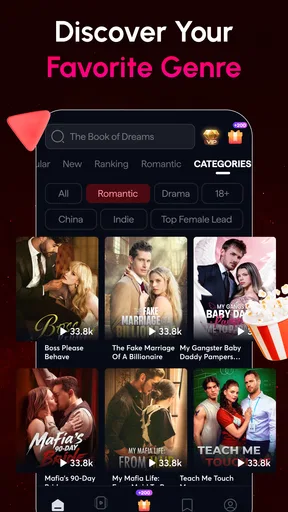
 Analysis by AppCompare
I opened Short Drama - Movies & Reels expecting a quick entertainment app for filling a few spare minutes, and that is exactly the situation where it makes the most sense. It is a free Android entertainment app from Universe AI, built around short drama and movie-style viewing rather than long, traditional television episodes. The basic appeal is simple: when I have only a short break, I can browse for something dramatic, romantic, or easy to start without committing to a full-length film.
That simplicity is also the key to judging it fairly. This is not the kind of app I would choose when I want a carefully organized streaming library, a familiar blockbuster, or a dependable replacement for a major subscription service. I see it more as a lightweight discovery tool for short-form stories. Its Everyone age rating makes it approachable for a broad audience, although parents should still use their own judgement about the themes of individual dramas rather than relying only on the general label.
How a short viewing session actually works
I find a short viewing session works best when I decide what I want from it before I start: a quick distraction, a romantic thread, or a more dramatic hook. That simple choice can make browsing feel purposeful instead of turning the break into an open-ended scroll. Next, I’d pay attention to how the app handles the moments when I watch longer or switch between stories.
Beginning with a small amount of free time
The most realistic starting point is a moment when I do not want to scroll through social media but also do not have enough time for a conventional movie. Perhaps I am waiting for an appointment, taking a break after dinner, or sitting on public transport. In that setting, the app’s focus on short series and reels is more useful than a large catalogue that requires several minutes of searching before anything begins.
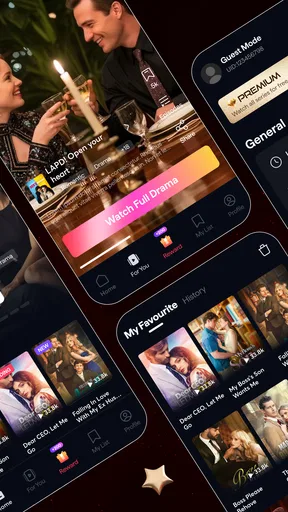
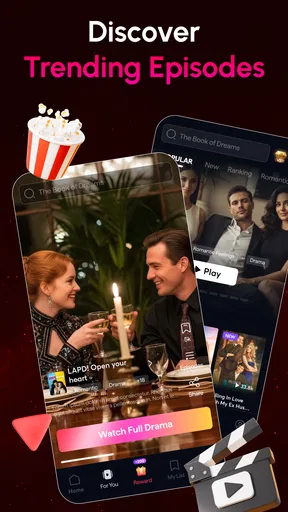
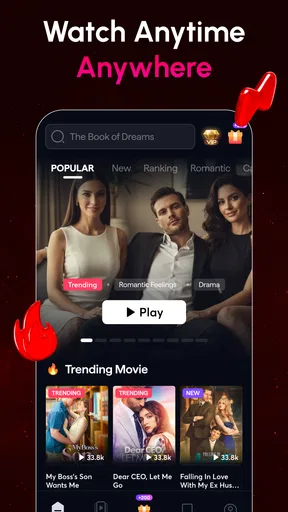
I would start by treating the home screen as a discovery surface rather than assuming I already know what I want. The store description points toward drama, romance, and other short entertainment, so the app is most attractive to viewers who enjoy emotional hooks, quick developments, and stories designed to move forward rapidly. I would choose a title based on its opening impression, watch enough to decide whether the tone suits me, and avoid approaching every item as if it were a complete cinematic production.
That expectation matters. Short-form storytelling usually has to establish conflict quickly, and this format can feel more direct than a conventional series. It can also feel compressed. If I prefer quiet character development, long scenes, or a slow build, the same speed that helps during a short break may become tiring during a longer session.
Moving from browsing to watching
Once I select something, the useful question is whether the transition from discovery to playback feels natural. For this kind of app, the ideal path is short: see an appealing title, begin viewing, and decide whether to continue without wrestling with a complicated interface. I would keep my first session deliberately small rather than trying to judge the entire catalogue immediately. A few different genres give a better sense of whether the recommendations match my taste.
Worth Reading Before You Choose

EA SPORTS FC Mobile 26 Is a Bigger Football Game, but It Takes Time

Flipboard Shows What News Apps Must Do Beyond the Feed

Switching to Android Auto Means Rethinking Your Driving Routine

Google Calendar Makes a Crowded Week Easier to Manage

Ludo King Makes the Most of the Minutes Between Plans

Baby Panda World Brings Quick Play to Modern Phones, but Its Game Library Feels Busy
The HD positioning is helpful when the screen is reasonably large or when the video contains readable text and expressive close-ups. At the same time, high-definition presentation does not automatically make every title feel premium. Image quality, editing, acting style, and writing all affect the experience. I found it more sensible to value the clarity of the viewing window while keeping expectations realistic about the short-drama format itself.
A practical tip is to use the app in short tests before deciding whether it deserves a permanent place on the phone. I would try one romantic story, one more dramatic option, and one general entertainment selection. This avoids confusing the quality of a single title with the usefulness of the whole service. It also quickly reveals whether the app’s pacing works for the kind of breaks I actually have.
Managing attention instead of letting the feed manage it
The strongest everyday workflow is not endless browsing. I would set a simple boundary before opening the app: watch one short story segment, continue only if the plot earns my attention, and leave when I have had enough. This is especially useful for viewers who are easily pulled into short-video feeds. The format is convenient because it starts quickly, but that same convenience can turn a five-minute break into a much longer session.
Another useful habit is to judge a title by its narrative promise rather than by dramatic presentation alone. Short dramas often use immediate conflict to attract attention. I would ask myself whether the characters or situation genuinely interest me, not merely whether the opening is loud or emotionally intense. That small distinction improves the chance of finding something worth finishing.
Where the handoffs matter
There are several handoffs in this experience. The first is from the app store page to the installed application: the promise is short drama, movies, and reels, so the first launch should quickly confirm that this is the kind of entertainment being offered. The second is from browsing to playback. If I cannot understand what I am choosing or why a title is relevant, the short-session advantage disappears.
The third handoff is from one piece of content to the next. Short-form viewers often want momentum, but momentum should not mean losing control of the session. I prefer an app that lets me make a clear decision after each item: continue, change the mood, or close the app. When that choice feels buried, the experience becomes less like intentional viewing and more like passive scrolling.
The final handoff is from free access to optional spending. The app itself is free, while in-app purchases range from $0.99 to $47.99 per item. That is a meaningful difference between “I can try this without paying” and “everything I may want will necessarily be included.” I would begin without purchasing anything, learn how the viewing flow works, and only consider spending after understanding exactly what an item unlocks and whether I expect to use it repeatedly.
What the viewing result feels like
When the workflow goes well, the result is a convenient burst of story. I can get romance or drama without planning an entire evening, and the short structure makes it easier to stop between ordinary tasks. This is the app’s clearest strength. It fits fragmented time better than a traditional movie application, especially when I want a narrative rather than an endless stream of unrelated clips.
I also like that the concept can suit different moods. Romance works when I want something emotionally straightforward, while drama can provide a stronger hook during a dull wait. The important point is that I would use the app for the feeling of discovering a quick story, not for a guarantee that every title will become a favorite.
The app has reached over a million installs, which suggests that the short-form idea has broad appeal. Its average rating is 3.3 from around 82 ratings, so I would interpret the public response as mixed rather than universally enthusiastic. That matches my own cautious recommendation: it is worth trying if the format appeals to you, but I would not tell a friend to expect a flawless or fully polished streaming experience.
Who will get the most from it
I would recommend it first to viewers who enjoy short episodes, emotional plot turns, and casual entertainment that can fit around a busy day. It is particularly suitable for someone who wants to sample stories without paying at the start. It can also work for a household looking for broadly accessible entertainment, with the reminder that an Everyone rating does not mean every storyline will suit every child.
It is less suitable for people who mainly watch established films, want a large selection of recognizable releases, or need detailed control over a serious viewing library. If I were choosing an app for a planned movie night, I would normally prefer a conventional streaming service with clearer long-form organization. If I wanted spontaneous, ultra-short clips with no expectation of narrative continuity, a general short-video platform might be a better fit.
Device and access considerations
The current version is 2.1 and supports Android 7.0 or later, so compatibility should be comfortable for many Android phones that are not brand new. I would still check the phone’s available storage and system condition before installing any video-focused app, particularly on an older device. Playback quality depends not only on the application but also on the handset display, network stability, and available data.
For mobile data, I would prefer a reliable Wi-Fi connection when possible, especially if I plan to watch several items in one sitting. HD video can make a short session consume more data than expected. This is one of the less obvious trade-offs: the very feature that makes the picture look cleaner can make casual viewing less convenient when the connection or data allowance is limited.
I would also avoid judging the app during a poor connection. A stalled video or delayed transition can make the whole service seem worse than it is, while a stable connection gives a fairer impression of the actual viewing flow. If the app remains frustrating even when the network is dependable, then the problem is more likely to be the application experience rather than the phone or connection.
Where the workflow breaks down
The first possible break is content fit. A short drama may begin with a strong premise but still fail to hold me once the initial hook is gone. Because the format moves quickly, I have less patience for repetitive scenes or characters that do not develop. The practical solution is to leave early instead of treating every title as an obligation.
The second break is commercial friction. Free installation is inviting, but optional purchases can change how relaxed the experience feels. The broad purchase range means I would pay close attention to any prompt before confirming it. I would not buy simply to remove the feeling of being interrupted; I would buy only when the value of the specific content is clear to me.
The third break is the gap between short entertainment and serious streaming. The app can complement services I already use, but I would not make it my only video destination. Someone who wants one dependable home for films and series may become frustrated by the narrower short-drama identity. Conversely, someone who finds major streaming catalogues overwhelming may appreciate the smaller, faster decision involved here.
A fourth issue is the possibility of uneven expectations around the word “movies.” I would approach the service primarily as short-form viewing, not as a substitute for a full cinema catalogue. That distinction prevents disappointment. The best outcome comes from accepting the app on its own terms: quick stories, easy sampling, and entertainment designed for brief sessions.
My practical routine for using it
If I were recommending a routine to a friend, I would begin with a no-purchase trial. I would open it during a genuine spare moment, choose a title that matches my mood, and watch without multitasking for long enough to evaluate the pacing. Then I would try a different type of story on another day. This gives a more honest impression than browsing dozens of thumbnails and remembering none of them.
After that, I would decide whether the app fills a real gap. If I regularly need compact entertainment between tasks, it has a clear role. If I already have more long-form content than I can watch, or if I dislike cliffhangers and rapid storytelling, installing another video app may only add noise. The free entry point makes experimentation easy, but that does not mean every viewer needs to keep it.
I would also keep purchases intentional. Before spending, I would identify whether I am paying for a particular story I genuinely want or merely reacting to a locked continuation. That is a useful distinction in any episodic entertainment app. It protects the casual nature of the service and keeps a small break from turning into an unplanned expense.
My final view after following the full path
Short Drama - Movies & Reels succeeds when the starting condition is simple: I have limited time, want a story, and do not mind short-form pacing. The path from opening the app to watching something can be pleasantly direct, and the free download lowers the barrier to testing it. Universe AI has positioned it for casual entertainment rather than for viewers seeking a definitive, all-purpose streaming library.
My recommendation is therefore selective. Try it if romance, drama, and brief movie-style viewing sound more appealing than another endless social feed. Keep your first sessions short, use Wi-Fi when possible, and treat optional purchases carefully. Skip it if your priority is major long-form content, a deeply organized catalogue, or a completely frictionless experience with no commercial decisions.
In the end, I see this as a useful companion app rather than a replacement for every other way of watching video. Its value comes from fitting stories into small spaces in the day. When that is exactly what I need, it can be an enjoyable choice; when I want a full evening of carefully selected cinema, I would choose a different kind of service.
Pros
- Short episodes make it easy to enjoy during quick breaks.
- Large selection of dramatic stories and serialized plots.
- Vertical video format feels natural on mobile devices.
- Personalized recommendations help surface similar dramas.
- New episodes and stories can keep the catalog feeling fresh.
Cons
- Many stories may require coins or paid access to continue.
- Frequent ads can interrupt viewing
- especially for free users.
- Some plots rely on predictable twists and repeated clichés.
- Video quality and subtitles may vary between different dramas.
- Offline viewing options may be limited or unavailable for some content.
FAQs for Short Drama - Movies & Reels
What is Short Drama - Movies & Reels?
Short Drama - Movies & Reels is a mobile entertainment app focused on brief, episodic video stories. It is designed for users who enjoy romance, drama, suspense, and other serialized plots presented in short chapters. After installing it, viewers can browse available titles, watch episodes, and continue following stories in a format suited to quick viewing sessions rather than full-length movies.
Is Short Drama - Movies & Reels free to download and use?
The application can generally be downloaded without an upfront charge, but access to all episodes or premium content may depend on the app’s current monetization model. Some stories may be available through advertisements, daily rewards, or limited free viewing, while later chapters can require coins, subscriptions, or in-app purchases. Check the store listing and in-app payment details before spending money.
Does the app require an internet connection to watch dramas and reels?
An internet connection is normally needed to load the catalog, stream episodes, display advertisements, synchronize viewing progress, and process purchases. Depending on the version and title, offline downloads may not be available, or they may be restricted to selected content and premium users. If you plan to watch while traveling, confirm whether the app offers downloads before relying on it without mobile data or Wi-Fi.
What kind of content and viewing experience does it offer?
The app primarily offers short-form fictional entertainment divided into compact episodes, making it convenient for watching during breaks or short commutes. The catalog may include relationship stories, family conflicts, revenge plots, mysteries, and other dramatic themes. Because content can vary in tone and maturity, users should review descriptions, ratings, and parental guidance information before allowing children or younger teenagers to use the application.
Are there advertisements or in-app purchases in Short Drama - Movies & Reels?
Users should expect that the app may include advertising and optional purchases, particularly when unlocking additional episodes or obtaining virtual coins. Advertisements can appear between episodes, during rewards, or when requesting free access to premium chapters. Prices, subscription terms, and available payment options can change by region and app version, so review the purchase screen carefully and disable accidental purchases through your device settings if necessary.


